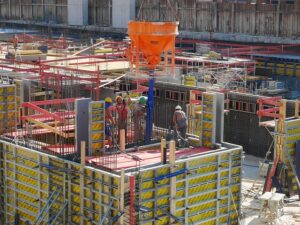
Foundation inspections are crucial for maintaining buildings' structural integrity by identifying potential issues early through visual assessments of cracks, settlement, water damage, etc. Combining these observations with historical and geological data, inspectors can accurately evaluate foundation health and provide preventative recommendations. Regular checks (annually or more frequently if needed) detect signs like cracks, uneven floors, water damage, etc., preventing costly repairs and structural instability. Professional inspections using advanced technologies offer thorough risk identification and mitigation, especially for older or complex homes.
A solid foundation is the unsung hero of any structure, ensuring stability and longevity. Understanding and performing regular Foundation Inspection is key to identifying potential issues early. This comprehensive guide delves into the essentials of foundation inspection, emphasizing the importance of preventative maintenance. From recognizing common signs of damage to exploring advanced evaluation techniques, we equip homeowners with the knowledge to safeguard their investment. Learn about crucial components to assess, optimal inspection frequencies, and cost-effective measures to ensure your home’s foundation remains solid and stable for years to come.
Understanding Foundation Inspection: A Basic Overview

Foundation inspections are crucial for assessing the structural integrity and overall health of a building’s foundation. This non-intrusive process involves examining the visible components of the foundation, such as cracks, settlement, or water damage, to identify potential issues that may compromise the structure’s stability over time. Regular foundation inspections are essential for homeowners, as they enable early detection of problems, making repairs more manageable and cost-effective.
A basic foundation inspection includes a visual assessment, where professionals look for signs of shifting, heaving, or cracks in the foundation walls and floors. They also check for water penetration, which can indicate poor drainage or structural issues. By combining this observation with a review of the building’s history and local geological data, inspectors can provide valuable insights into the foundation’s condition and offer recommendations for preventative measures to ensure longevity and stability.
The Importance of Regular Preventative Maintenance

Regular preventative maintenance is a cornerstone of any well-managed property, and foundation inspection plays a pivotal role in this regard. A foundation inspection acts as a proactive measure to identify potential issues early on, preventing what could become costly and disruptive problems. By scheduling routine checks, homeowners and property managers can catch cracks, settlement, or other signs of structural damage before they escalate.
This practice is especially crucial for older homes, where age-related deterioration may be more prevalent. Foundation inspection allows for timely repairs, ensuring the longevity of the structure and safeguarding against unexpected failures. Moreover, regular inspections can help in identifying issues that might affect the overall value of the property, making it a smart investment for long-term asset management.
Key Components to Assess During a Foundation Inspection
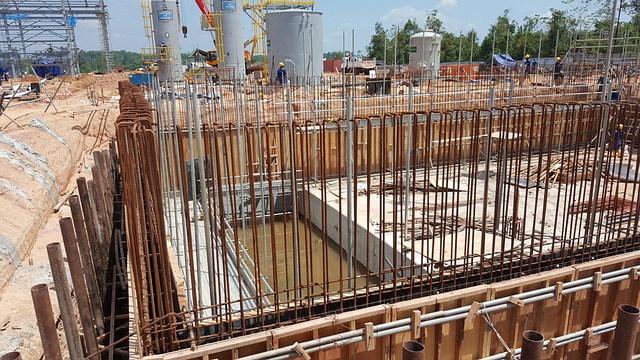
During a comprehensive foundation inspection, several critical components must be evaluated to ensure structural integrity and identify potential issues early on. These key aspects include examining the foundation’s material quality and integrity, checking for signs of cracks or uneven settling, assessing the drainage around the structure, and inspecting the levelness and alignment of the foundation. Additionally, looking out for water damage, mold growth, or signs of pest infestation in basements or crawl spaces is essential.
Professional inspectors should also pay close attention to the foundation’s perimeter, checking for any gaps, cracks, or misalignments that could compromise its strength. Analyzing the surrounding soil conditions and assessing the presence of underground moisture sources can provide valuable insights into potential long-term stability issues. Moreover, evaluating the condition of any retaining walls or other supporting structures nearby is crucial to understanding the overall structural health of the foundation.
Identifying Common Signs of Foundation Damage
Foundation inspections are a crucial aspect of maintaining the structural integrity of any building. When conducting a preventative foundation inspection, it’s essential to look out for common signs of damage that could indicate underlying issues. One of the most visible indicators is cracks in the foundation walls or floors; even tiny hairline fractures can be an early warning sign of potential problems. These cracks might appear due to settling, shifting soil, or more severe structural damage.
Another sign to watch out for is uneven or sloping floors. If you notice that certain areas of your home are lower or higher than others, it could suggest foundation movement or settlement. Bulging walls, stuck doors or windows, and visible misalignments in doors or windowsills are also red flags. Water damage, such as mold growth or stains on walls and ceilings, can indicate leaks or seepage, which may compromise the foundation over time. Regularly checking for these signs during inspections will help in taking prompt action to prevent further deterioration.
Advanced Techniques for Comprehensive Evaluation

In the realm of foundation inspection, advanced techniques have revolutionized how we assess structural integrity. Modern methods go beyond traditional visual inspections by incorporating ground-penetrating radar (GPR) and thermal imaging. These non-invasive technologies allow for comprehensive evaluation of underground elements, detecting potential cracks or anomalies that might be invisible to the naked eye.
By combining GPR and thermal imaging with manual probing and sampling, inspectors can gather a multi-dimensional picture of the foundation’s health. This holistic approach ensures no stone is left unturned when it comes to identifying and mitigating risks. Advanced techniques not only enhance accuracy but also streamline the inspection process, making it more efficient and cost-effective for both homeowners and commercial property managers alike.
How Often Should You Conduct These Checks?

Regular foundation inspections are an essential part of maintaining a safe and stable home. It’s recommended that homeowners conduct visual checks of their foundation at least once a year, preferably during the spring or fall when the ground is neither too dry nor too saturated. These routine examinations can help identify potential issues early on, such as cracks, settlement, or water damage, which could lead to more severe problems if left unattended.
During these inspections, pay close attention to any signs of movement or distortion in the foundation walls, floor levels, and doors/windows. Also, check for visible moisture or stains that might indicate leaks or high groundwater tables. While a yearly visual inspection is a good starting point, certain circumstances may require more frequent assessments. If you notice unusual noises, like creaking or groaning, or observe significant changes in your home’s level or alignment, it’s advisable to consult a professional foundation inspector for a comprehensive evaluation.
Professional vs DIY: When to Seek Expertise

When it comes to foundation inspection, deciding between DIY and professional assessment is a crucial step in maintaining a safe and structurally sound home. While many homeowners may be inclined to perform a basic check on their own, especially if they have some knowledge of construction, there are several reasons why enlisting the expertise of a certified inspector is often recommended.
Professional foundation inspectors have the specialized skills and tools required to conduct thorough examinations, identifying even the subtlest signs of potential issues. They can detect cracks that may be imperceptible to the untrained eye, assess the integrity of the structure, and provide valuable insights into the overall health of the foundation. This expertise is particularly vital for older homes or those with complex designs, where hidden problems could go unnoticed for years, leading to costly repairs.
Cost-Effective Measures to Strengthen Your Home's Base

Regular foundation inspections are a cost-effective measure that can prevent significant, costly repairs down the line. By identifying potential issues early on, homeowners can address them promptly, avoiding the need for extensive foundation repair later. These inspections aren’t just about checking for visible cracks; they involve assessing the overall health of your home’s base.
There are simple, DIY methods to begin evaluating your foundation’s stability. Look for signs of moisture, as it can indicate potential problems. Check for uneven floors, walls that lean, or doors and windows that stick—all red flags worth investigating. However, for a comprehensive analysis, hiring a professional inspector is recommended. They possess the expertise and tools to detect even subtle issues, ensuring your home’s foundation remains strong and secure.
Preventative Steps: Keeping Your Foundation Solid and Stable
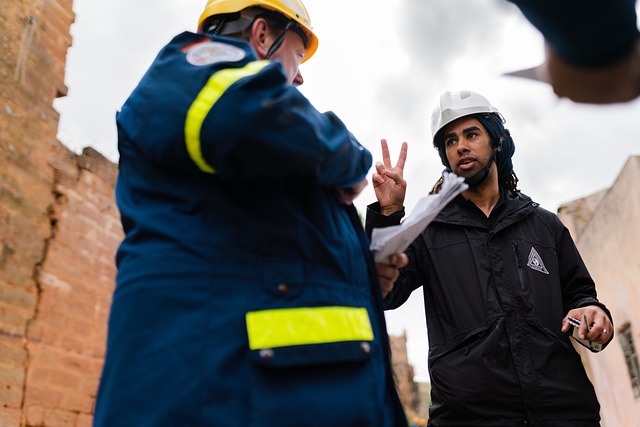
Preventative measures play a pivotal role in maintaining the integrity and longevity of your foundation, an aspect often overlooked but crucial for any property owner. Regular Foundation Inspection is a proactive step that allows for early detection of potential issues. By identifying cracks, settlement, or water damage at their nascent stages, homeowners can take immediate action to prevent further deterioration. This initial assessment provides valuable insights into the overall health of the foundation, enabling targeted repairs before they escalate.
Implementing solid maintenance practices is equally vital. This includes addressing drainage concerns around the property, as proper water management is key to preventing foundation heave and shift. Regularly inspecting and repairing any leaks or moisture intrusions within the structure is also essential. Additionally, ensuring that heavy objects are securely anchored to prevent ground movement can significantly contribute to maintaining a stable foundation over time.