
Holistic mental health is an approach that treats the interconnectedness of mind, body, spirit, and social connections, rather than just symptoms, in promoting mental well-being. Ancient practices from civilizations like India, China, and Native America laid the foundation for modern holistic mental health treatments, which include diverse interventions like mindfulness, nutrition, exercise, art therapy, yoga, and nature immersion. This method diverges from traditional Western psychiatric practices focused on medication or therapy, addressing root causes of distress and fostering resilience. With increasing scientific validation, holistic mental health is gaining recognition as a comprehensive and personalized approach to well-being, integrating alternative therapies like yoga, meditation, art therapy, and dance movement therapy. The shift towards integrating holistic treatments in mainstream healthcare acknowledges the link between mental and physical health, offering individuals tailored options for balanced and fulfilling lives.
Holistic mental health treatments offer a transformative approach to well-being, addressing the intricate mind-body-spirit connection. This comprehensive guide explores ancient roots and modern innovations in holistic practices, from yoga and art therapy to their scientific validation. We delve into key components of a holistic plan, benefits backed by success stories, and integration into mainstream mental healthcare. Discover how these practices are revolutionizing mental health support.
Understanding Holistic Mental Health: A Comprehensive Approach

Holistic mental health treatments take a comprehensive approach, addressing not just symptoms but the whole person – their physical, emotional, psychological, and social well-being. Unlike traditional Western psychiatric practices that often focus on medication or therapy, holistic mental health emphasizes the interconnectedness of these aspects and how they influence each other. It recognizes that mental health is deeply tied to our overall lifestyle, environment, and relationships.
This approach includes a diverse range of interventions such as mindfulness practices, nutrition and dietary changes, exercise, art therapy, yoga, and even spending time in nature. By integrating these various techniques, holistic mental health treatments aim to promote balance and harmony within an individual, fostering resilience and a deeper sense of well-being.
The Roots of Holistic Practices in Ancient Traditions

The roots of holistic practices can be traced back to ancient civilizations, where a deep connection between mind, body, and spirit was at the heart of their understanding of well-being. These traditions, such as those found in ancient India, China, and Native American cultures, recognized that mental and emotional health are intricately linked with physical health and spiritual vitality. For example, traditional Chinese medicine emphasizes the flow of energy (chi) throughout the body and its impact on mental clarity and emotional balance. Similarly, Ayurveda, an ancient Indian healing system, promotes the idea that a person’s overall health depends on the harmony between their mind, body, and soul.
These ancient practices laid the foundation for holistic mental health approaches, which have gained prominence in modern times. Today, holistic treatments aim to address the individual as a whole, considering not just symptoms but also underlying causes and personal circumstances. By integrating various therapeutic methods, such as mindfulness, meditation, yoga, nutrition, and energy healing, holistic mental health practices offer a comprehensive and personalized approach to nurturing mental and emotional resilience.
Modern Relevance and Scientific Validation

In today’s digital era, there’s a growing recognition and shift towards holistic mental health treatments, reflecting their modern relevance and scientific validation. Unlike traditional methods that often focus solely on medication or therapy, holistic approaches acknowledge the interconnectedness of mind, body, and spirit. This paradigm shift is driven by the understanding that mental well-being isn’t just about managing symptoms; it’s about fostering resilience, promoting balance, and addressing the root causes of distress.
Scientific research is increasingly backing these practices, demonstrating their effectiveness in treating various mental health conditions. Mindfulness meditation, for instance, has been shown to reduce stress and anxiety, while practices like yoga and nature therapy have positive impacts on mood and overall well-being. This validation from the scientific community is instrumental in integrating holistic methods into mainstream mental healthcare, providing individuals with a more comprehensive and personalized approach to healing.
Key Components of a Holistic Mental Health Plan

A holistic mental health plan recognizes that well-being encompasses far more than just treating symptoms. It involves addressing the intricate web of physical, emotional, social, and spiritual aspects that collectively contribute to our mental state. This approach diverges from traditional Western psychiatry, which often focuses solely on medication or psychotherapy. Instead, it emphasizes a multifaceted strategy tailored to each individual’s unique needs.
Key components include incorporating therapeutic activities such as exercise, mindfulness practices, nutrition counseling, and social support networks. Physical health plays a crucial role in mental well-being; regular movement, proper hydration, and adequate sleep are essential pillars of this approach. Equally vital is nurturing emotional expression through creative outlets, therapy sessions, or supportive communities. Additionally, cultivating meaningful connections and fostering spiritual practices can significantly enhance resilience and overall satisfaction with life.
Mind-Body-Spirit Connection: Uniting Different Aspects

Holistic mental health treatments recognize and respect the intricate connection between our mind, body, and spirit. This integrated approach understands that each aspect influences the others, and addressing one can have a profound impact on the whole. For instance, emotional well-being is not isolated from physical health; stress or trauma can manifest as bodily symptoms, while mental clarity and resilience can enhance overall vitality.
By uniting these different aspects, holistic practices aim to promote balance and harmony within an individual. This might involve combining therapeutic techniques such as counseling with mindfulness meditation, yoga, or natural therapies like acupuncture or herbal remedies. Such a multifaceted approach ensures that treatment addresses the unique needs of each person, fostering not just symptom relief but also deep, lasting healing and well-being.
Therapeutic Techniques: From Yoga to Art Therapy

In the realm of holistic mental health, therapeutic techniques extend far beyond traditional talk therapy and medication. Practices such as yoga, meditation, art therapy, and dance movement therapy offer unique paths to healing and self-discovery. Yoga, for instance, combines physical postures with breathing exercises and mindfulness to reduce stress and promote emotional balance. Art therapy encourages individuals to express their feelings and thoughts through creative mediums like painting or sculpting, helping them explore and communicate emotions that may be difficult to articulate verbally.
Similarly, dance movement therapy uses bodily movements and rhythms to tap into the body’s innate ability to heal and process emotions. These alternative approaches are increasingly recognized for their potential to enhance traditional mental health care by addressing the mind-body connection. By incorporating diverse therapeutic techniques, holistic practices aim to cultivate overall well-being, fostering a sense of balance and harmony in individuals’ lives.
Benefits and Success Stories: Real-Life Impact

Holistic mental health treatments offer a myriad of benefits, transforming lives and providing lasting solutions. By addressing the interconnectedness of mind, body, and spirit, these approaches cultivate a profound sense of well-being. Unlike traditional methods focused solely on symptoms, holistic therapies aim to heal the root causes of distress, fostering resilience and emotional equilibrium.
Success stories abound, with individuals experiencing reduced anxiety, improved mood regulation, and enhanced overall mental clarity. Many have found solace in practices like mindfulness meditation, yoga, and nature therapy, which nurture a sense of calm and reconnect them to their inner selves. These real-life transformations demonstrate the power of holistic mental health in empowering people to take charge of their well-being and lead more fulfilling lives.
Integrating Holistic Practices into Mainstream Mental Healthcare
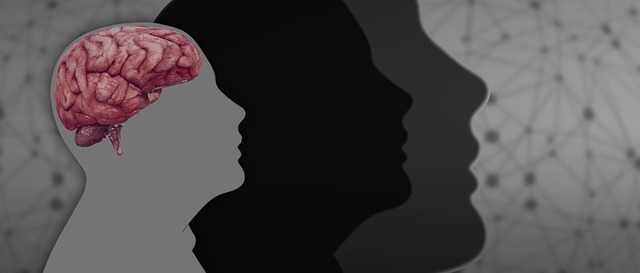
In recent years, there’s been a growing recognition and shift towards integrating holistic mental health treatments into mainstream healthcare systems. This approach acknowledges that mental well-being is deeply interconnected with various aspects of life—from physical health to social connections and environmental factors. By incorporating holistic practices like mindfulness, yoga, art therapy, and nature-based interventions, mental health professionals are now able to offer more comprehensive care that addresses the whole person, not just their symptoms.
This integration isn’t merely a trend; it’s driven by mounting evidence highlighting the benefits of holistic mental health treatments. Studies show that these practices can reduce stress, anxiety, and depression, while also improving overall quality of life. As mainstream healthcare begins to embrace these alternative methods, individuals seeking support for their mental health now have more options, allowing them to explore personalized care that aligns with their unique needs and preferences.