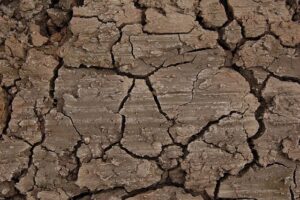
Concrete cracks, from minor hairline fissures to significant structural breaks, compromise a structure's integrity. Causes range from settlement issues to moisture, freeze-thaw cycles, traffic load, and chemical attacks. Assessing crack type (e.g., vertical, horizontal) and extent determines repair method – from simple epoxy injections to complex structural repairs.
Preparation is key: clean and dry the area, chisel loose concrete, and fill larger gaps. Choosing the right patching compound (epoxy, polyurethane, or cement-based) based on crack size, surface type, traffic, and climate is crucial. Proper application involves cleaning, filling without voids, and adequate curing time.
Avoid common mistakes like incorrect compound selection or over/under-filling. Regular maintenance, including inspections and sealing, extends concrete structure lifespan. For complex or expanding cracks, professional patching services are recommended for long-lasting solutions.
Concrete cracking can range from mere aesthetics to structural integrity issues. Understanding the causes and types of cracks is essential for effective crack repair. Before you begin, assess the damage to determine the extent of the problem. Preparation is key; cleaning and properly preparing the concrete surface ensures a strong bond between the patching compound and the existing concrete.
This guide covers everything from crack identification to maintenance tips, ensuring your concrete patching and crack repair are done right, saving you time and money. Learn how to choose the best patching compounds and master application techniques while avoiding common mistakes.
Understanding Concrete Cracks: Causes and Types
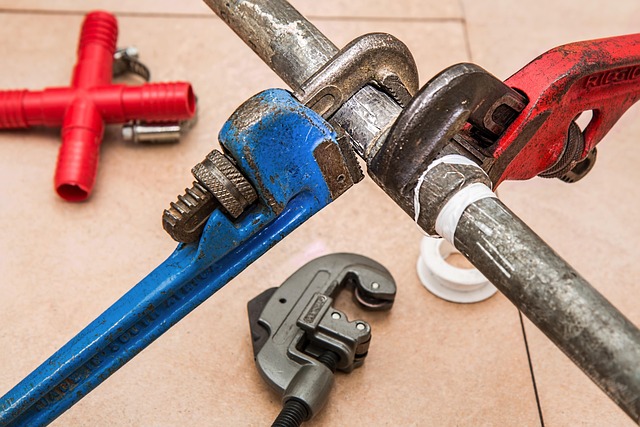
Concrete cracks can range from small, shallow fissures to deep, wide breaks that compromise the structural integrity of a surface. Understanding the causes and types of concrete cracks is essential for effective crack repair. Common causes include settlement, heaving due to moisture expansion, freeze-thaw cycles, excessive traffic load, poor original mixing or placement, and chemical attack. Settlement cracks usually result from inadequate compaction during construction or changes in soil conditions beneath the concrete. Heave cracks occur when moisture expands the cement paste, pushing against the confined concrete. These are often seen in regions with high moisture levels or where deicing salts are used frequently.
There are several types of concrete cracks: hairline cracks, vertical cracks, horizontal cracks, and diagonal or slant cracks. Hairline cracks are narrow, fine lines that can be caused by both settlement and heaving. Vertical and horizontal cracks are more noticeable and often indicate severe structural issues. Diagonal cracks suggest tension or shear forces acting on the concrete. Different crack repair methods are required depending on the type and severity of the damage, with the primary goal being to prevent further deterioration and ensure the longevity of the concrete structure.
Assess the Extent of Damage: Crack Evaluation
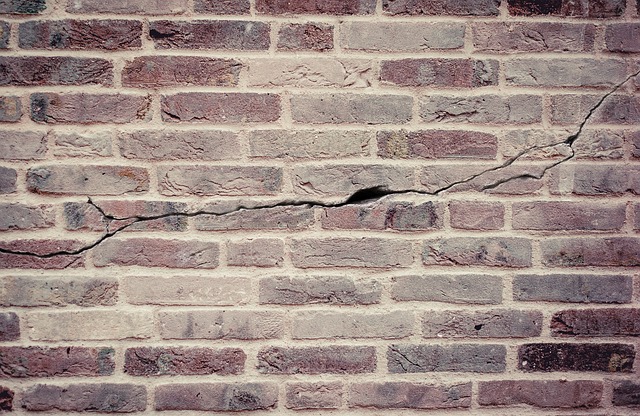
Before repairing any cracks, it’s crucial to assess their extent and type. Cracks can vary significantly in width, depth, and pattern, influencing the repair method required. For instance, hairline cracks might be superficial and easily fixed with a simple epoxy injection, while wider or deeper cracks may necessitate more intensive techniques such as concrete patching or even structural repairs.
Evaluating the crack’s structure is also key for effective crack repair. Check if the crack is vertical, horizontal, or diagonal, as this can indicate underlying issues like settlement, heave, or differential drying. Additionally, consider the surrounding concrete’s condition: are there any signs of spalling (peeling or breaking away) or severe erosion? Such factors will help determine whether the crack repair should focus on surface restoration or involve more comprehensive structural enhancements.
Preparation: Cleaning and Setting the Stage for Repair
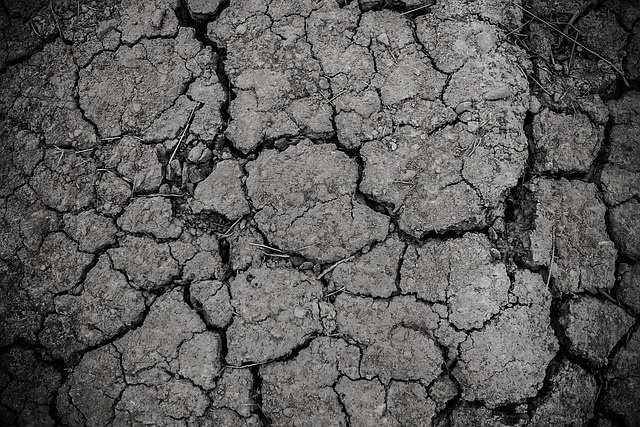
Before starting any crack repair, thorough preparation is key. The first step involves cleaning the concrete surface to remove any debris, oil, or loose particles that might hinder the patching process. This can be done using a pressure washer or a wire brush to ensure a clean and even surface. Once cleaned, it’s crucial to allow the concrete to dry completely, as moisture can compromise the durability of the repair.
The next stage is setting the stage for successful crack repair. This includes preparing the area around the crack by removing any loose concrete with a chisel or hammer and dustpan. Creating a clean edge around the crack will ensure better adhesion of the patching material. Additionally, filling any larger gaps with a suitable filler and allowing it to set will provide a solid base for the patch, enhancing the overall strength and longevity of the repair.
Choosing the Right Patching Compound

When it comes to crack repair, selecting the appropriate patching compound is a critical step in ensuring long-lasting and effective results. The choice of material largely depends on the severity of the crack and the expected environmental conditions. For minor cracks, a ready-mixed epoxy or polyurethane patching compound can be an excellent option due to its strength and flexibility. These compounds are easy to apply and offer good resistance to weather and chemicals, making them suitable for both indoor and outdoor applications.
For wider or deeper cracks, especially in exterior surfaces exposed to constant movement and extreme temperatures, a more robust solution is required. In such cases, a cement-based patching compound is often recommended. These compounds are highly durable and can withstand significant stress, providing a strong bond that prevents further crack propagation. When choosing, consider factors like the size of the crack, the type of surface, expected traffic, and local climate conditions to guarantee optimal crack repair.
Application Techniques for Optimal Results
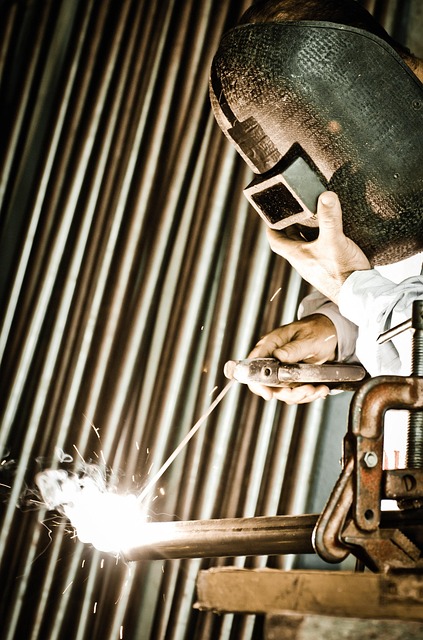
When it comes to concrete patching and crack repair, the application technique plays a pivotal role in achieving optimal results. The first step is to thoroughly clean the cracked area, removing any loose debris or contaminants that could hinder the bonding process of the repair material. This involves using specialized equipment like high-pressure washers to ensure a pristine surface for the upcoming patch.
After cleaning, the next crucial step is filling the crack with the appropriate patching compound. Techniques such as hand troweling or mechanical methods like vibration or extrusion can be employed depending on the size and depth of the crack. The key is to fill the crack completely, ensuring there’s no void left behind. This not only provides structural integrity but also prevents water penetration, which could lead to further damage over time—a common concern in crack repair.
Common Mistakes to Avoid During Patching
When patching and repairing concrete cracks, there are several common mistakes that homeowners and contractors should be aware of to ensure optimal results. One of the most frequent errors is using the wrong type of patching compound for the specific crack. Different types of cracks require unique materials; for instance, wider cracks might need a stronger repair mix while smaller hairline cracks can be addressed with a more flexible compound. Neglecting to clean the crack thoroughly before application is another blunder. Debris and old concrete residue can hinder adhesion, so it’s crucial to sweep and prepare the surface properly.
Over-filling or under-filling are also prevalent issues. Over-filling can lead to an unsightly bump on the concrete’s surface, while under-filling allows crack propagation, defeating the purpose of the repair. Additionally, not allowing enough time for the patch to cure fully is a mistake that can compromise the longevity of the fix. Concrete patching requires patience; different compounds have specific curing times, so adhering to these instructions is vital for a durable crack repair solution.
Maintenance and Long-Term Care for Cracks
Regular maintenance is key to preventing concrete cracks from expanding and causing structural damage over time. After repairing cracks, it’s essential to implement a long-term care strategy. This includes regularly inspecting concrete surfaces for any signs of new cracks or deterioration. Promptly addressing these issues can help maintain the integrity of your structure.
One effective maintenance practice is to apply a thin layer of sealer or filler over repaired cracks to protect them from moisture and environmental elements. Additionally, maintaining proper drainage systems nearby will prevent water accumulation, which could exacerbate existing cracks or create new ones. Regular cleaning and sealing will ensure that crack repairs remain effective, extending the lifespan of your concrete surfaces.
When to Call in the Professionals
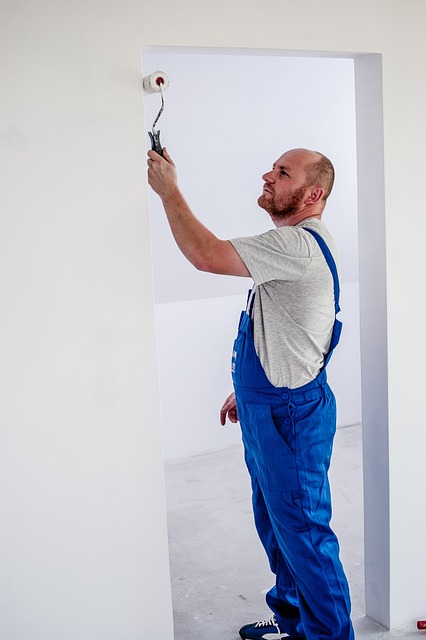
If cracks in your concrete surface are minor, you might be tempted to attempt a DIY approach for repair. However, there comes a point when these cracks become more than just an aesthetic concern and could indicate structural damage. It is essential to understand that not all crack repairs are suitable for every situation. For instance, if cracks are wide, deep, or show signs of ongoing expansion, professional intervention is recommended.
Professional concrete patching and crack repair services offer advanced techniques and specialized equipment to assess and fix complex issues. They can provide long-lasting solutions, ensuring the structural integrity of your concrete structures. When cracks repair becomes a priority, contacting experts ensures that any potential problems are addressed effectively, preventing further damage and costly repairs down the line.